
Best Time to Visit South India: When to Experience Kerala, Karnataka & Tamil Nadu at Their Best
Introduction
South India is a destination that changes beautifully with every season. Unlike many parts of the world where travel is limited to a few peak months, South India rewards visitors throughout the year with distinct and memorable experiences in every season.
The mist-covered tea plantations of Kerala, the heritage cities of Karnataka, and the temple towns of Tamil Nadu each have their own ideal travel windows. Knowing the best time to visit South India can mean the difference between a good holiday and an exceptional one.
Some travelers prefer the crisp winter months for sightseeing and beach time. Others deliberately choose the monsoon season when forests, waterfalls, and plantations are at their most dramatic. And for those whose itinerary focuses on the mountains, understanding the best time to visit hill stations in South India is essential for getting the most from destinations like Munnar, Ooty, Coorg, and Kodaikanal.
Whether you are planning a family vacation, honeymoon, cultural tour, or nature retreat, this seasonal guide will help you choose the right time for your South India journey.
Why Weather Matters When Planning Your South India Trip
South India spans a remarkably diverse range of landscapes. Within a single itinerary, travelers can move from tropical beaches and backwater canals to coffee-scented hill towns, ancient temple corridors, and wildlife-rich forests. Because of this geographical diversity, weather conditions vary considerably between destinations and seasons.
Kerala’s backwaters, for example, are most peaceful and enjoyable during the cooler months. Hill stations like Munnar and Ooty maintain pleasant temperatures for most of the year. Coastal destinations such as Kovalam and Pondicherry are best visited when humidity is lower and skies stay clear.
Understanding the best time to visit South India weather wise before you book ensures you are matched to the right destinations at the right time.
Explore South India Tour Packages tailored to every season.
October to February: The Best Time to Visit South India Weather Wise
For most travelers and particularly for international visitors October to February is the single best time to visit South India. The monsoon has passed, leaving the countryside lush and green, while temperatures settle into a comfortable range ideal for long days of sightseeing, outdoor exploration, and beach time.
This is the season when South India’s most celebrated destinations Kochi, Alleppey, Mysore, Hampi, Pondicherry, and Madurai are operating at their finest. Travelers can explore ancient monuments without heat exhaustion, enjoy unhurried houseboat cruises on the backwaters, and spend evenings at beachside restaurants under clear skies.
Kerala is especially appealing during this period. The backwaters are calm and well-suited to overnight cruises. Tea plantations in Munnar are vivid and accessible. Beaches at Kovalam and Varkala enjoy excellent conditions. This is also the season for Kerala’s major cultural festivals, including the spectacular Thrissur Pooram celebrations.
This is the period most travelers are referring to when they ask about the best time to visit South India weather wise and for good reason. It delivers the most consistent conditions across the widest range of destinations.
Book a Kerala Tour Package for the October to February season and get the best of beaches, backwaters, and hill stations in one trip.
Key destinations open at their best:
Kochi, Alleppey, Kovalam, Varkala, Mysore, Hampi, Madurai, Mahabalipuram, Pondicherry, Munnar
March to May: The Best Time to Visit Hill Stations in South India
As temperatures begin to climb across the plains and coastal areas, South India’s hill stations come into their own. March to May is widely considered the best time to visit hill stations in South India, when mountain destinations provide a cool, refreshing escape while lower-lying cities grow warm.
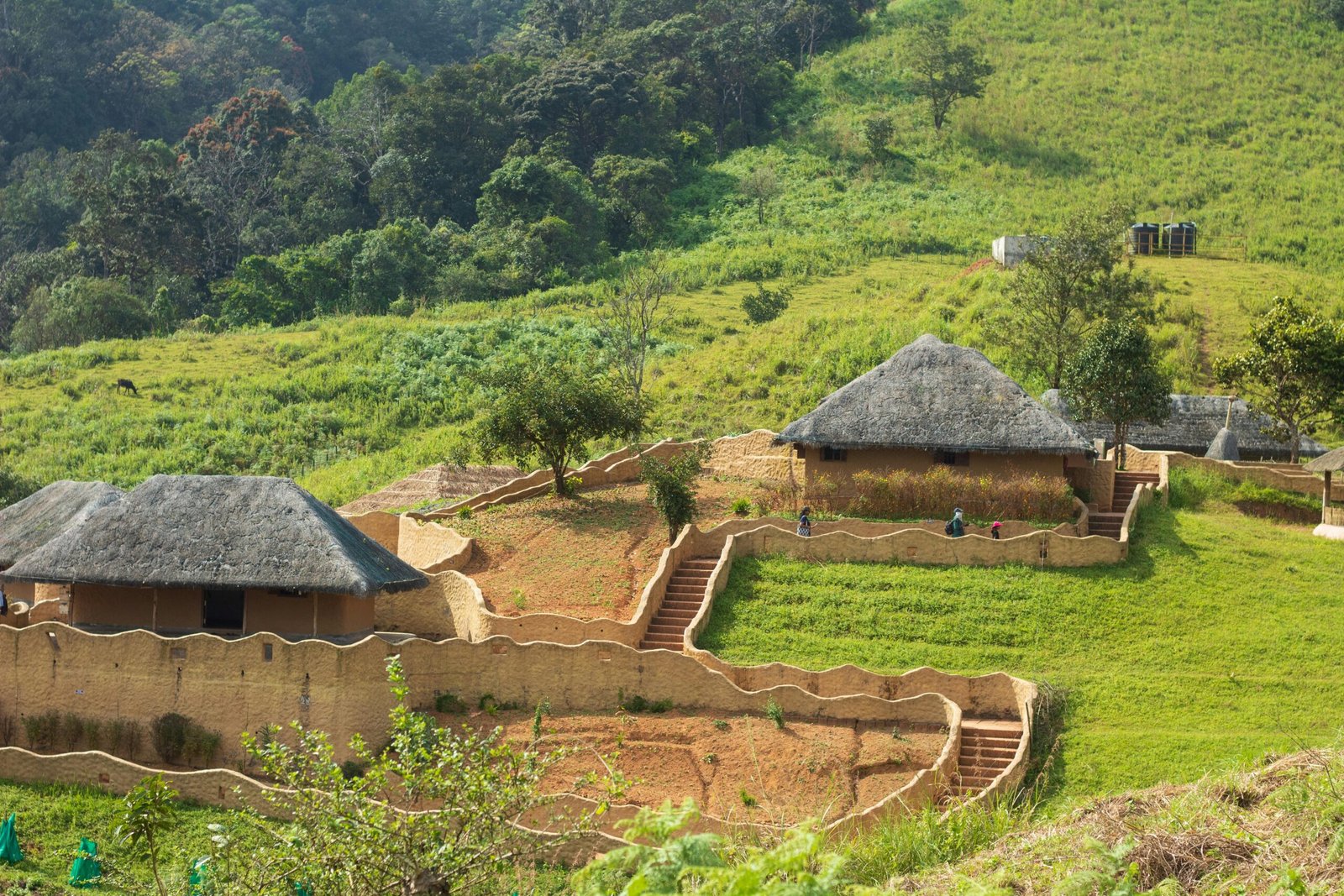
Munnar in Kerala transforms in this season. The tea gardens are immaculately green, mountain mists roll through the valleys each morning, and the cooler air makes trekking and outdoor activities genuinely enjoyable. Coorg in Karnataka — one of the most loved destinations for those seeking the best time to visit hill stations in South India — is equally rewarding between March and May. The coffee estates are fragrant and lush, Abbey Falls runs strongly, and the absence of monsoon rain makes jungle walks and plantation tours far more accessible.
Ooty and Kodaikanal in Tamil Nadu are perennial summer favourites. Families, couples, and solo travelers all gravitate toward these Nilgiri and Palani Hills destinations during the April and May school holiday period. The Nilgiri Mountain Railway (a UNESCO Heritage railway) is particularly popular with families at this time of year.
Key hill stations to visit March to May:
Munnar, Coorg, Ooty, Kodaikanal, Wayanad, Chikmagalur
Plan a summer hill station retreat with South India Tour Packages.
June to September: Monsoon Season in South India
The monsoon transforms South India into a world of deep greens, roaring waterfalls, and misty mountain landscapes. Heavy rainfall brings life back to forests, tea and coffee estates, wildlife reserves, and riverbeds that lie quiet through summer.
While some travelers instinctively avoid the rains, experienced South India visitors often consider the monsoon season one of the most beautiful and rewarding times to visit — provided you choose your destinations carefully and come prepared.
Wayanad, Coorg, and Munnar are at their most visually spectacular between June and September. Waterfalls that trickle in summer now thunder with full force. Forests are dense and electric green. The air carries the scent of wet earth, cardamom, and coffee blossom.
The monsoon is also deeply associated with Kerala’s Ayurveda and wellness tourism. Traditional Kerala medicine considers the cool, moist monsoon climate optimal for detox therapies and Panchakarma treatments. Many well-regarded wellness retreats actively recommend visiting during this period.
Monsoon travel also brings practical advantages: significantly lower hotel rates, fewer crowds at major attractions, and a more relaxed, unhurried pace across all destinations.
Best monsoon destinations:
Munnar, Wayanad, Coorg, Kodaikanal, Thekkady, Agumbe
Discover Kerala Tour Packages with Ayurveda and monsoon wellness itineraries.
Best Time to Visit South India for Families
Families visiting South India typically need comfortable weather, easy transportation between destinations, and attractions that engage travelers of all ages. For these reasons, October to February remains the most family-friendly season and the best time to visit South India for groups traveling with children or elderly family members.
Popular family destinations during winter include Kerala’s backwaters for houseboat experiences, Mysore for its palace and zoo, Ooty for the toy train and botanical gardens, and Kochi for its blend of heritage and culture. The weather is reliably comfortable, the main roads are accessible, and the widest range of accommodation is available.
Families with school-age children limited to April and May school holidays will find South India’s hill stations an excellent alternative. Ooty, Kodaikanal, and Coorg are well set up for family visitors and remain cool and pleasant even as summer arrives on the plains.
Explore family-focused South India Tour Packages with itineraries built for all ages.
Best Time to Visit South India for Honeymooners
South India is consistently ranked among India’s most popular honeymoon destinations. The combination of romantic backwater houseboats, misty hill stations, luxury boutique resorts, and Ayurvedic retreats creates a setting that few places can match.
Couples generally choose between two windows. November to February offers the most reliably romantic experience — Alleppey’s houseboats, Munnar’s mist-wrapped hills, and Coorg’s candlelit estate bungalows are all at their finest during these months. Outdoor dining, sunset cruises, and scenic drives are all comfortably done without rain interruption.
Early monsoon (June and July) has also developed a following among honeymooners who want lush landscapes, empty resorts, and a more intimate, private atmosphere. Rates are lower, crowds are absent, and the scenery is extraordinary.
Book a romantic Kerala Tour Package for a honeymoon designed around backwaters, beaches, and hill station escapes.
Season-by-Season Summary
| Season | Months | Best For | Top Destinations |
| Winter | October to February | Overall travel, beaches, sightseeing | Kochi, Alleppey, Kovalam, Mysore, Hampi, Madurai |
| Summer | March to May | Hill stations, nature, families | Munnar, Ooty, Coorg, Kodaikanal |
| Monsoon | June to September | Waterfalls, wellness, budget travel | Wayanad, Coorg, Munnar, Thekkady |
Final Verdict: What Is the Best Time to Visit South India?
If you are looking for the clearest single answer, the best time to visit South India weather wise is October to February. Conditions are consistently pleasant across the widest range of destinations, the landscape is green after the monsoon rains, and nearly all attractions and accommodation types are operating at full capacity.
If your trip centers on mountain destinations, the best time to visit hill stations in South India extends from October all the way through May, making this one of the longest and most flexible travel windows of any South India destination type.
And if you are an experienced traveler who values dramatic landscapes, quieter attractions, and significant savings, the monsoon season between June and September offers a genuinely rewarding South India experience that most first-time visitors never discover.
South India is, ultimately, a year-round destination. Every season has something distinctive and worthwhile to offer — the key is matching your season to your travel style. Start planning