
A Day Trip to Agra — A Guide for Culture Lovers
Agra is one of those cities where a single day, planned well, is enough to leave a real impression. Most visitors come for one building, but there’s far more what to do in agra india beyond the Taj Mahal Mughal forts, tombs, and a walkable old city full of marble craft and street food. Here’s how to structure a culture-focused day trip.
A Quick History for Culture Lovers
Agra was the Mughal capital for over a century, and it shows. Emperor Shah Jahan built the Taj Mahal in the 1600s as a mausoleum for his wife Mumtaz Mahal, while Agra Fort served as the seat of Mughal power both before and after including as Shah Jahan’s own place of house arrest in his final years, with a view of the very monument he built. Fatehpur Sikri, built a generation earlier by Akbar, shows a different chapter entirely: a planned capital city abandoned within 15 years due to water shortages. Seeing all three in one day traces the arc of the Mughal empire in a way few other cities allow.
Top Tourist Attractions in Agra
If you’re short on time, these are the tourist attractions in agra worth prioritizing.
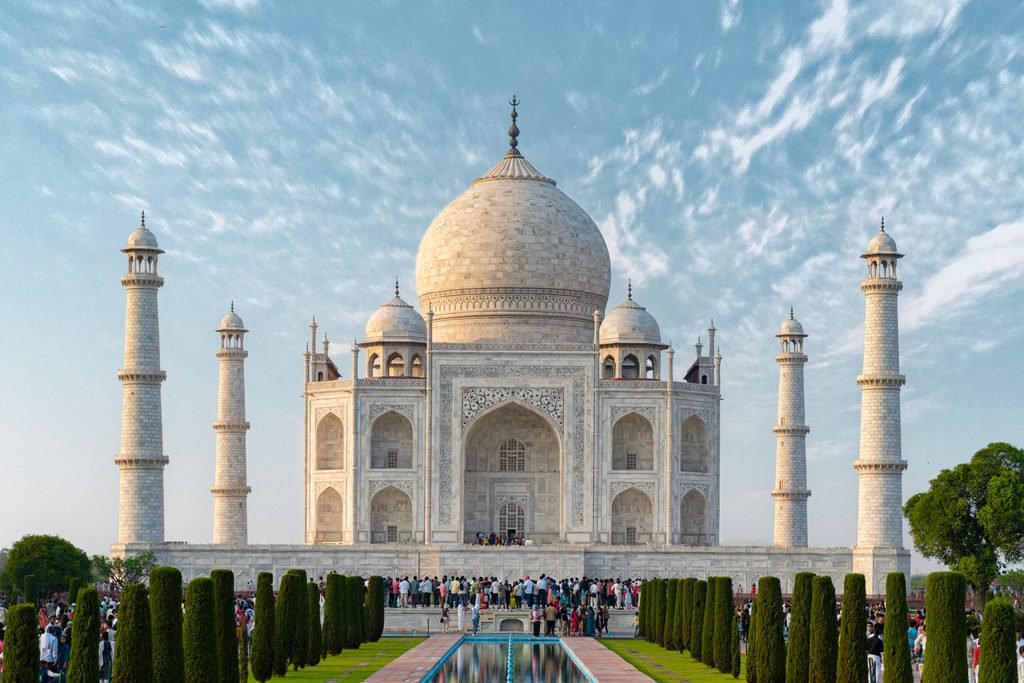
Taj Mahal
The obvious starting point, and worth the early alarm. Go at sunrise the light is softer, the marble looks different, and the crowds are a fraction of what they are by mid-morning. Budget 2 hours, including the walk in from the ticket gate.
Agra Fort
A red sandstone fortress that was the Mughal seat of power before Delhi’s Red Fort took over. Less crowded than the Taj but arguably just as impressive and it offers a distant view of the Taj Mahal across the river. Allow 1.5–2 hours.
Fatehpur Sikri
A well-preserved Mughal city built by Akbar and abandoned within decades, about 40 minutes outside Agra. Worth the detour if history is the focus of your trip, though it adds 2–3 hours round-trip.
Itmad-ud-Daulah (the “Baby Taj”)
A smaller, quieter marble tomb often skipped by first-timers and precisely why it’s worth 30–45 minutes if you want a break from the crowds elsewhere. It’s also considered a design precursor to the Taj Mahal itself, making it a favorite stop for architecture-focused travelers.
Mehtab Bagh
A garden directly across the river from the Taj Mahal, best visited at sunset for an unobstructed, crowd-free view of the monument from a completely different angle.

What to Do in Agra Beyond the Monuments
- Browse marble inlay workshops many still use the same pietra dura technique as the Taj’s original craftsmen
- Try Agra’s petha, a local sweet made from ash gourd, sold across the old city
- Walk through Kinari Bazaar for a slice of local, non-touristy Agra
- Sample Mughlai food Agra’s kebabs and biryani are a highlight in their own right
- Visit a working leather and footwear market Agra is historically known for its leather craft alongside marble
Where to Eat in Agra
- Sheroes Hangout: A cafe run by acid attack survivors, with good coffee and an important cause behind it
- Pinch of Spice: A reliable, comfortable spot for North Indian and Mughlai food near Fatehpur Sikri Road
- Local dhabas near Sadar Bazaar: For genuinely local Mughlai food at a fraction of hotel restaurant prices

Best Places to See in Agra, India for a One-Day Visit
If you only have a single day, this order covers the essential places to see in agra india without backtracking across the city:
- Early morning: Taj Mahal at sunrise
- Mid-morning: Agra Fort
- Afternoon: Marble workshop visit and lunch in the old city
- Late afternoon: Itmad-ud-Daulah
- Sunset: Mehtab Bagh for the final view of the Taj


Is One Day in Agra Enough?
For the highlights, yes a well-planned day covers the Taj Mahal, Agra Fort, and one or two smaller sights comfortably. Where a single day falls short is Fatehpur Sikri, which adds 2–3 hours round-trip and can feel rushed if bolted onto an already packed schedule. If Mughal history is the main reason for your trip, consider an overnight stay to fit Fatehpur Sikri in without cutting time elsewhere.
Best Time to Visit Agra
- October to March: The most comfortable months, with cool mornings ideal for an early Taj Mahal visit
- April to June: Very hot plan indoor/shaded stops for midday and start even earlier at the Taj
- July to September: Monsoon season fewer crowds, though visibility across the river can be reduced
Getting to Agra from Delhi
- By train: The Gatimaan Express covers Delhi to Agra in under 2 hours the fastest option for a genuine day trip
- By road: A private car takes 3–4 hours each way via the Yamuna Expressway
- Friday closures: The Taj Mahal is closed on Fridays for prayer, so avoid planning a Friday day trip
Practical Tips for Your Agra Day Trip
- Security lines at the Taj Mahal move slowly arrive at least 30 minutes before your planned entry time
- Only water and small cameras are allowed inside the Taj Mahal complex leave bags, food, and power banks at the hotel or car
- Hire a licensed guide at the entrance for context you’d otherwise miss the marble inlay and Quranic calligraphy details are easy to walk past
- Politely decline unsolicited “guide” or shop offers outside the monuments stick to official ticket counters and licensed guides
Final Thoughts
A single day is enough to experience Agra’s essentials, but it does mean an early start and a tight schedule. If you’d rather not rush between the Taj, the fort, and Fatehpur Sikri in one day, Go My Trails’ Golden Triangle tour packages build Agra into a relaxed multi-day circuit with Delhi and Jaipur, with a private driver handling the logistics.
Explore more North India itineraries on the Go My Trails homepage to start planning your trip.